

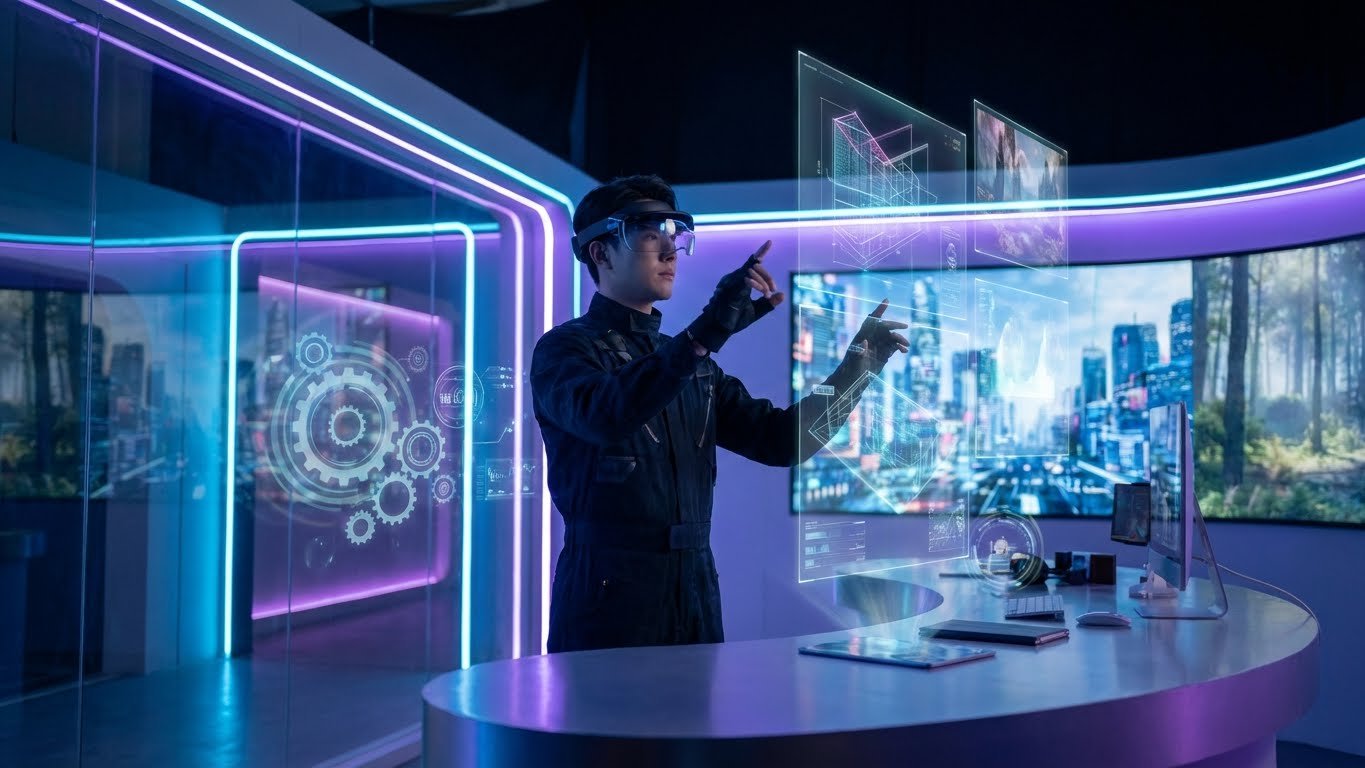
For years, mobile and web apps dominated digital experiences. Today, that dominance is being challenged. Virtual Reality development — alongside AR, MR, and XR technologies — is redefining how users interact with games, apps, and digital products. What once felt experimental has rapidly become a strategic advantage for brands and developers willing to think beyond screens.
Immersive technologies are no longer limited to gaming alone. From training simulations and virtual showrooms to interactive brand storytelling, VR, AR, MR, and XR app development is transforming engagement, retention, and user experience across industries.
Why Immersive Development Is Gaining Momentum
 Traditional apps rely on taps, swipes, and scrolling. Immersive applications replace those limitations with presence, interaction, and spatial awareness. Virtual Reality development enables users to experience content rather than consume it passively — a shift that dramatically increases engagement.
- Deeper user immersion and emotional connection
- Higher engagement compared to flat-screen apps
- Real-world interaction in digital environments
- Better retention for games, training, and simulations
Understanding VR, AR, MR, and XR Development
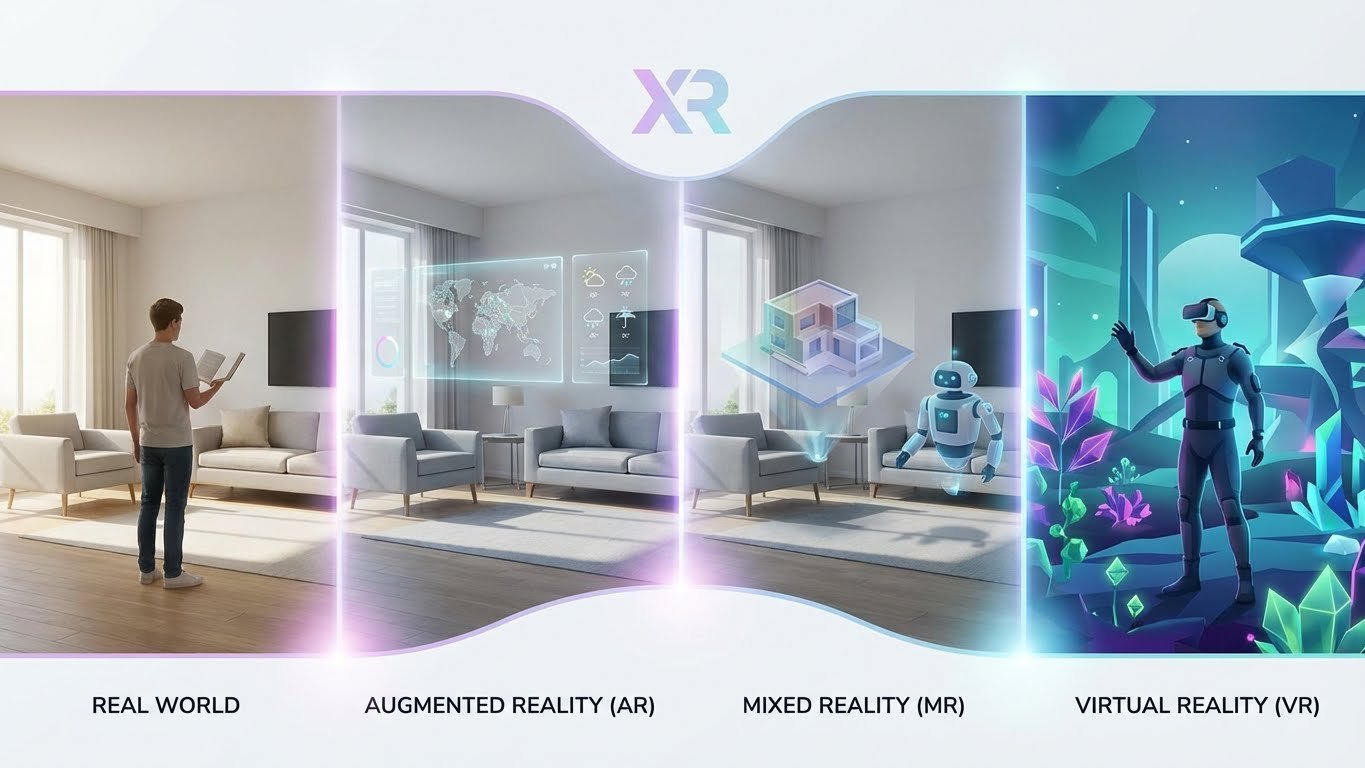 While often grouped together, each immersive technology serves a distinct purpose. Successful XR development requires understanding how these experiences differ and where they deliver the most value.
- VR Development: Fully immersive virtual environments for games, training, and simulations
- AR Development: Digital overlays on real-world environments via mobile or smart devices
- MR Development: Real and virtual objects interacting in real time
- XR Development: An umbrella approach combining all immersive technologies
The Future of Gaming Lies Beyond Screens
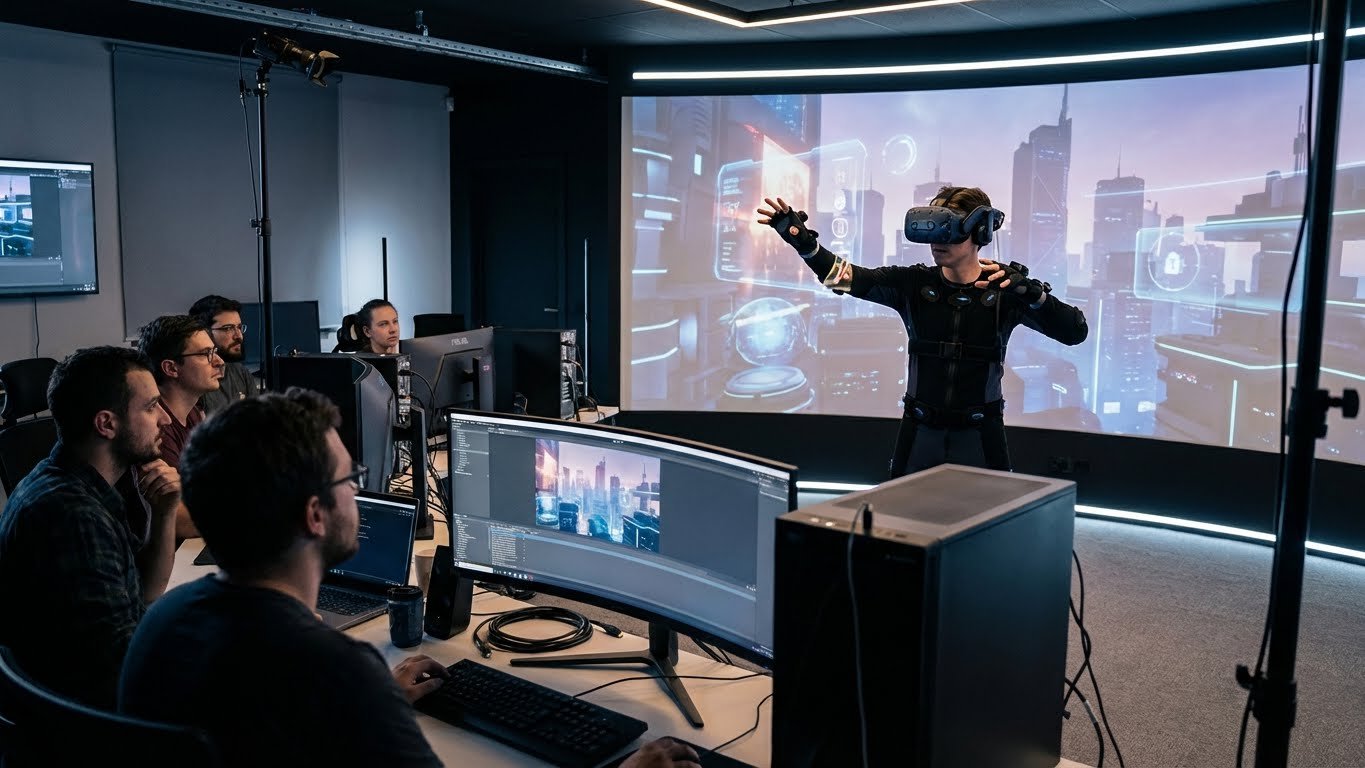 The gaming industry is leading immersive adoption. VR game development and XR game experiences allow players to physically interact with worlds, characters, and mechanics — creating emotional depth that traditional games struggle to match.
As engines like Unreal Engine and Unity evolve, developers can build cross-platform immersive experiences that scale across headsets, mobile devices, and mixed reality systems.
AI-Enhanced VR and XR App Development
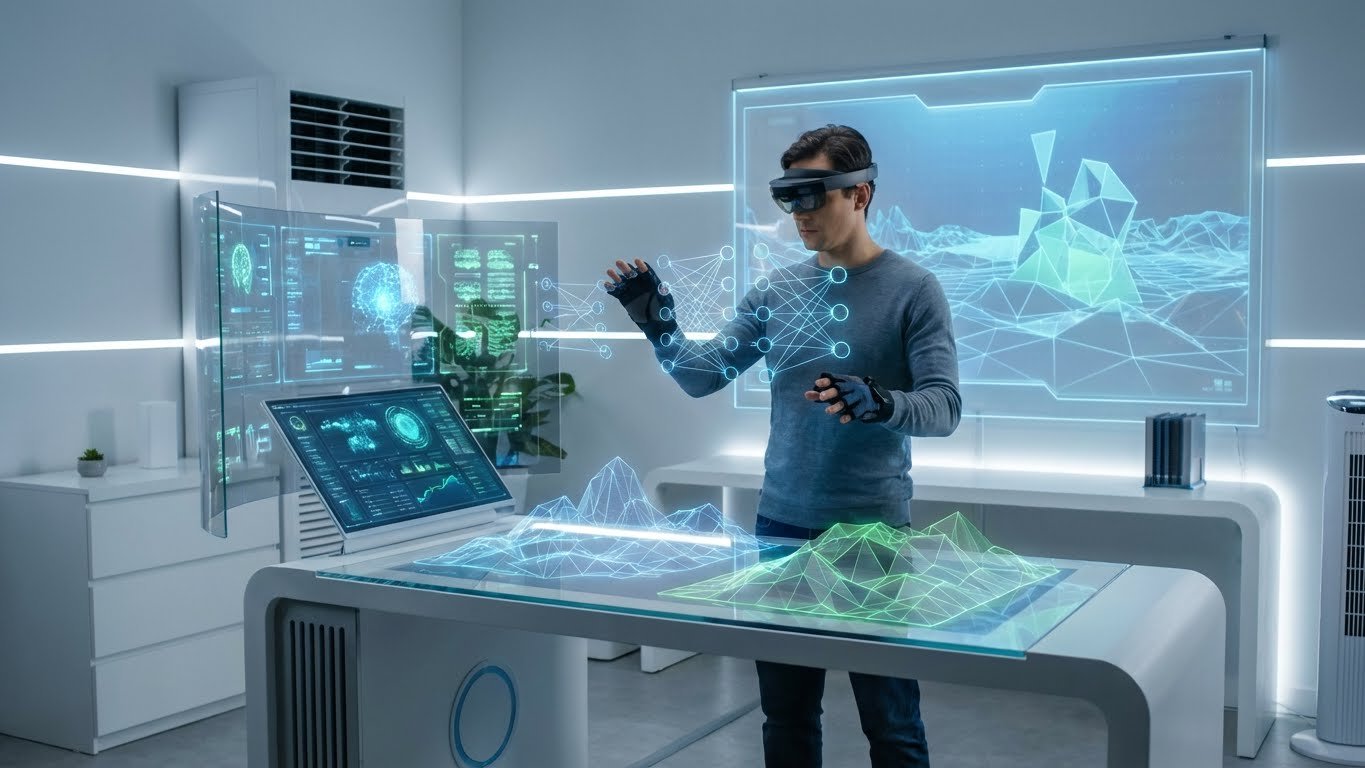 AI is accelerating virtual reality development by streamlining asset creation, interaction logic, and environment generation. AI-powered pipelines allow studios to build richer worlds faster — while maintaining performance and realism.
- Procedural environment and asset generation
- Smarter NPC behaviour and interactions
- Faster prototyping and iteration cycles
The fusion of AI with immersive technologies is rapidly lowering development barriers while raising experience quality.
Final Thoughts
Virtual Reality development is no longer a future concept — it’s an active shift in how digital experiences are built and consumed. Businesses that delay immersive adoption risk falling behind competitors who already understand the power of presence-driven engagement.
As VR, AR, MR, and XR continue to converge, immersive apps and games will define the next era of digital interaction — not traditional interfaces.